5 Tips to support Latina/o students

5 Tips to support Latina/o students

Pipeline Development
5 Tips to support Latina/o students In the article, "Privilege unveiled: An Academic family for future researchers and scholars", published in Latina/o Psychology Today, Dr. Mazzula points to the underrepresentation of "relatable faces" that Latina/o students see when they enter college. Although racial and ethnic minorities represent less than 16% of the country’s full-time faculty, Latina/o students are now the largest ethnic minority group on four-year college campuses. What do these statistics tell us? "Something important – that while racial/ethnic minority faculty and academics are under-represented, our community is growing, not only in numbers, but more and more educated, y con ganas y garras!" In the article, Dr. Mazzula infuses her personal story of the struggles and discriminatory practices she faced as a Latina first generation immigrant and college graduate.  The article concludes with 5 recommendations to…
Read More
Planting seeds of success for the next generation of Latina/o scientists

Planting seeds of success for the next generation of Latina/o scientists

Pipeline Development
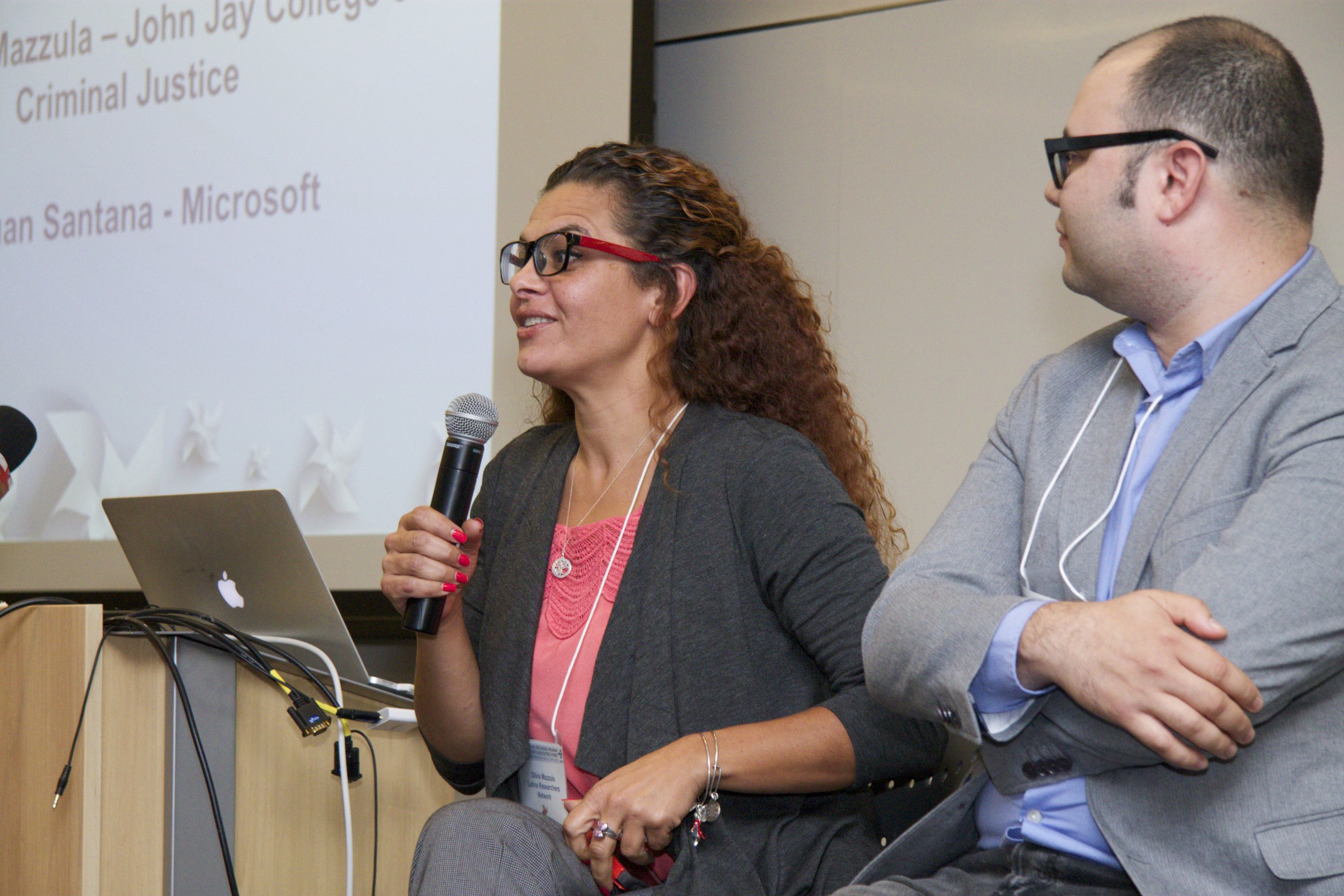
Hispanics Inspiring Students’ Performance and Achievement (HISPA) hosted their “Kick-Off and Recruiting Event” in celebration of Hispanic Heritage Month – their purpose, to engage new “Role Model” volunteers in HISPA’s Role Model Program. Role models, who visit classrooms and educational programs, dedicate their stories to show students that they too can achieve all their dreams. “We must join forces and share our educational and professional journeys with our students,” said Dr. Ivonne Díaz-Claisse, Founder and President of HISPA. “We invite you to be the wind that pushes the next generation forward. Let’s commit to be active role models to our youth.” Dr. Silvia L. Mazzula, Director of the Latina Researchers Network, was among the panel of leaders who shared inspirational stories of success and discussed the importance of volunteerism in supporting…
Read More

Help for undercover officers

Police
More psychological help needed for undercover officers In an interview on the psychological needs of undercover officers, Dr. Mazzula notes talking with a friend isn't always a good replacement for professional mental-health guidance -  fellow police officers may be too immersed in the same world to notice red flags in a colleague. Failing to adequately process vicarious trauma, such as hearing about the lewd fantasies of grown men, can lead to hyper vigilance, which is its own source of added stress. Hypervigilance might manifest in becoming overly protective of one's own offspring, or suspecting danger in every situation. Trust issues, recurring mental imagery, sleeping problems and symptoms associated with PTSD might also occur.   Read full story, originally appearing in USAToday by Maya Lau, The (Shreveport, La.) Times, at http://www.usatoday.com/story/news/nation/2014/07/21/psychological-help-undercover-officers/12953445/
Read More

Microaggressions and Latina/o

Race
Just released! Microaggressions and Latina/Americans Abstract:  This exploratory study examined micro aggressions experienced by Latinas/os and considered whether such discrimination manifests differently based on gender, ethnicity, or nativity among a sample of 311 Latina/o Americans. Descriptive analyses of microaggression experiences in participants’ lives were examined with multivariate analysis of variance (MANOVA) and a series of t tests. The results showed significant differences in experiences of microaggressions: women experienced more microaggressions in the workplace or school settings; self-identified Dominicans were more likely to experience being exoticized; and Puerto Ricans more likely to be treated as second-class citizens or as criminals. The results also found younger Latinos/as, and those with lower levels of education, were more likely to experience microinvalidations. Although the results support previous research that racial and ethnic minorities experience…
Read More

But you speak so well: How Latinos experience subtle racism

Race
Rated #1 of TOP 5 blog posts in 2013 by the American Psychological Association (APA): Psychology Benefits Society - a blog from the APA Public Interest Directorate  This story originally appeared in Psychology Benefits Society   Last month marked the 50th anniversary of Dr. Martin Luther King’s “I Have a Dream” speech and across the U.S., many Americans proclaimed that Dr. King’s dream had indeed come true. Perhaps many people believe this because overt acts of racism aren’t as common and are typically frowned upon. However, covert forms of racism are all too common . These more subtle forms of racism are called “microaggressions” and communicate hostile and racial insults. Microaggressions are things said or done – many times unconsciously – that reflect a person’s inner thinking, stereotypes and prejudices. They are difficult to…
Read More