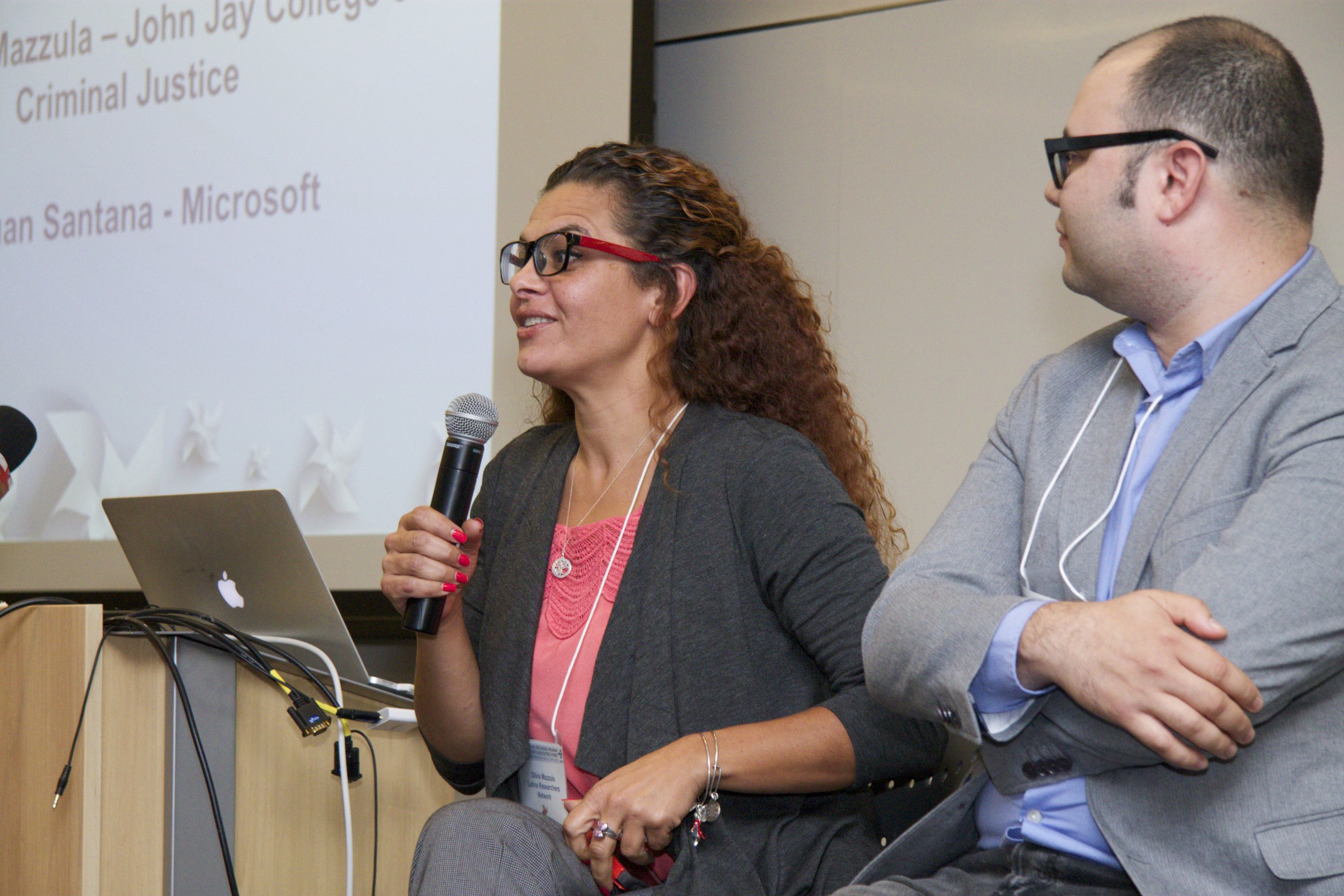
Dr. Mazzula featured in Insight into Diversity Magazine "Pathways to the Professoriate Program Helps Guide Latino Students from PhDs to Professorships" by Gary Stern (2017). Dr. Mazzula speaks to the "paltry number of Latino faculty to issues around 'access, sponsorship, mentorship, and gatekeepers'... Read full story: www.insightintodiversity.com
CALL FOR PROPOSALS Deadline for submission of all proposals is April 30, 2016 at 11:59pm EST. ABOUT THE CONFERENCE In response to the underrepresentation of diverse scholars in advanced research careers and in the academy, the conference seeks to: Increase exposure of advanced research careers for diverse scholars, Inspire and support the next generation of investigators, Ensure underrepresented scholars receive the latest methodological training, Provide access to role models and networking opportunities, and Improve recruitment and retention of underrepresented students, researchers and faculty members. The conference includes plenary discussions and presentations by expert researchers, evaluators and activist scholars. The conference also includes multiple opportunities for networking and connecting rising investigators to senior scholars, evaluators and researchers. ATTENDEES The Latina Researchers Conference brings scholars, researchers and aspiring investigators from across the U.S. to address…
Dr. Mazzula was honored to be a special guest during @SaludToday's Tweetchat: Latina Leaders in Public Health April 5th, 2016 1:00pm ET The Tweetchat "Latina Leaders in Public Health" was hosted by @SaludToday with the Hispanic Heritage Foundation (@HHFoundation), National Hispanic Media Association (@NHMAmd), Latina Researchers Network (@LatinaRAS), and Ventanilla de Salud (@VDSalud_DC), with special guests @DrMazzula @OJ_RN @SaludbySandra Hashtag #SaludTues * Missed it? Click HERE for resources and information shared, curtesy of @SaludToday
Hispanics Inspiring Students’ Performance and Achievement (HISPA) hosted their “Kick-Off and Recruiting Event” in celebration of Hispanic Heritage Month – their purpose, to engage new “Role Model” volunteers in HISPA’s Role Model Program. Role models, who visit classrooms and educational programs, dedicate their stories to show students that they too can achieve all their dreams. “We must join forces and share our educational and professional journeys with our students,” said Dr. Ivonne Díaz-Claisse, Founder and President of HISPA. “We invite you to be the wind that pushes the next generation forward. Let’s commit to be active role models to our youth.” Dr. Silvia L. Mazzula, Director of the Latina Researchers Network, was among the panel of leaders who shared inspirational stories of success and discussed the importance of volunteerism in supporting…
Just released! Microaggressions and Latina/Americans Abstract: This exploratory study examined micro aggressions experienced by Latinas/os and considered whether such discrimination manifests differently based on gender, ethnicity, or nativity among a sample of 311 Latina/o Americans. Descriptive analyses of microaggression experiences in participants’ lives were examined with multivariate analysis of variance (MANOVA) and a series of t tests. The results showed significant differences in experiences of microaggressions: women experienced more microaggressions in the workplace or school settings; self-identified Dominicans were more likely to experience being exoticized; and Puerto Ricans more likely to be treated as second-class citizens or as criminals. The results also found younger Latinos/as, and those with lower levels of education, were more likely to experience microinvalidations. Although the results support previous research that racial and ethnic minorities experience…
Rated #1 of TOP 5 blog posts in 2013 by the American Psychological Association (APA): Psychology Benefits Society - a blog from the APA Public Interest Directorate This story originally appeared in Psychology Benefits Society Last month marked the 50th anniversary of Dr. Martin Luther King’s “I Have a Dream” speech and across the U.S., many Americans proclaimed that Dr. King’s dream had indeed come true. Perhaps many people believe this because overt acts of racism aren’t as common and are typically frowned upon. However, covert forms of racism are all too common . These more subtle forms of racism are called “microaggressions” and communicate hostile and racial insults. Microaggressions are things said or done – many times unconsciously – that reflect a person’s inner thinking, stereotypes and prejudices. They are difficult to…